Corvallis Single Family vs Townhome Living Guide
June 18, 2026
June 18, 2026
Wondering whether a single-family home or a townhome makes more sense in Corvallis? You are not alone. In a market where sale prices and total monthly costs matter, the better fit often comes down to how you want to live day to day, not just how many bedrooms you need. This guide will help you compare privacy, maintenance, location, parking, and local zoning so you can make a smarter move with confidence. Let’s dive in.
Corvallis remains an active housing market in 2026, and that makes choosing the right property type especially important. Recent market snapshots show median sale prices in the mid-$500,000s to low-$600,000s, depending on the source and methodology. Even with slightly different figures, the takeaway is the same: your monthly ownership costs deserve close attention.
That is one reason the single-family versus townhome decision matters so much here. In Corvallis, the choice is not only about style or square footage. It is also about upkeep, association costs, location, and how the city guides housing through zoning and mixed-use planning.
At a high level, a detached single-family home gives you a standalone structure with more separation from neighboring properties. A townhome is typically an attached home in a row of units that shares at least one common wall. In Oregon, a townhouse is defined as a single-family dwelling unit on its own lot or parcel, even though it is attached.
That legal distinction matters because not every attached home works the same way. Some townhome-style properties may function more like condominiums when it comes to ownership structure and shared maintenance. If you are comparing options in Corvallis, it helps to look beyond the building style and understand exactly what you own and what an association manages.
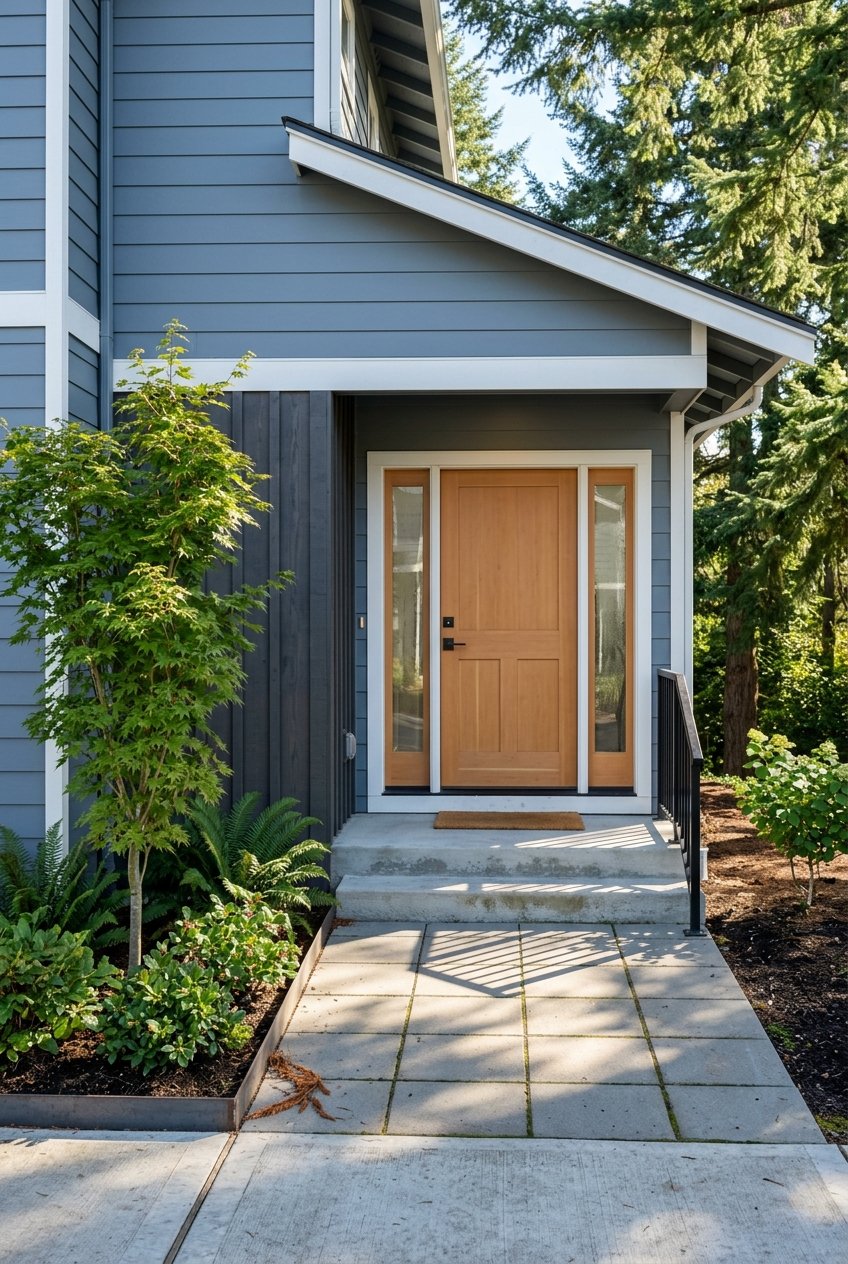
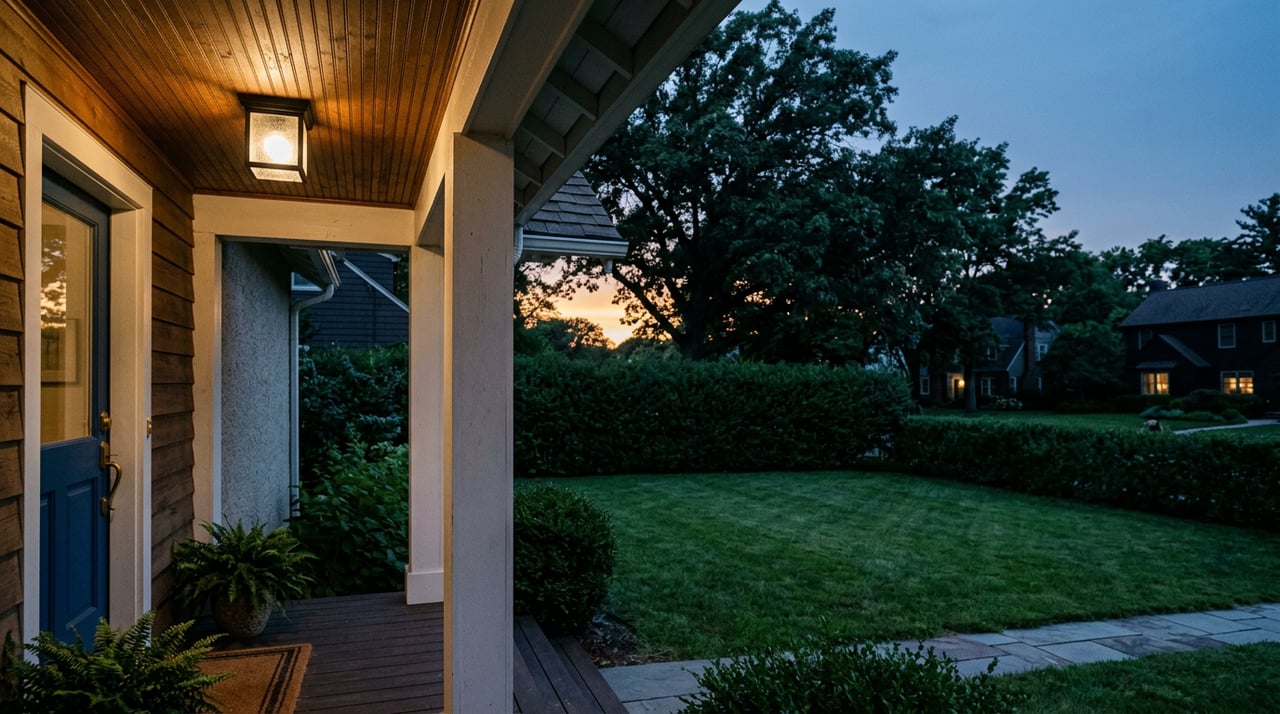
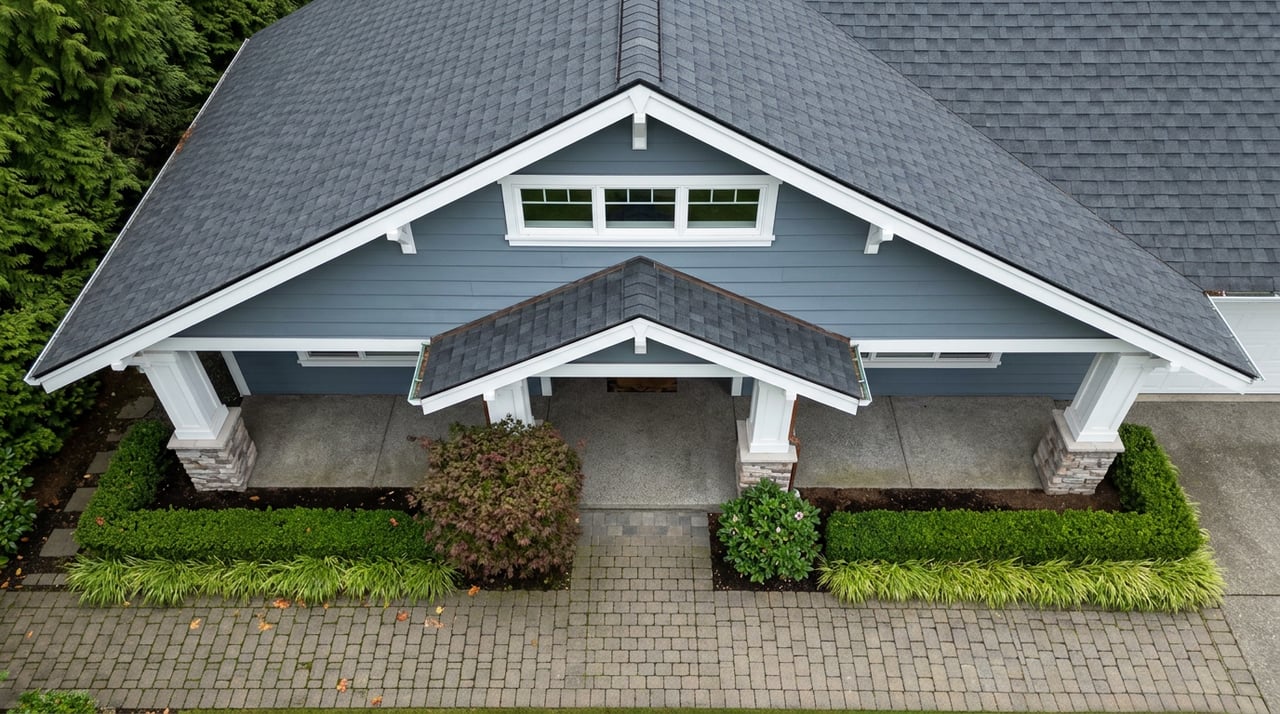
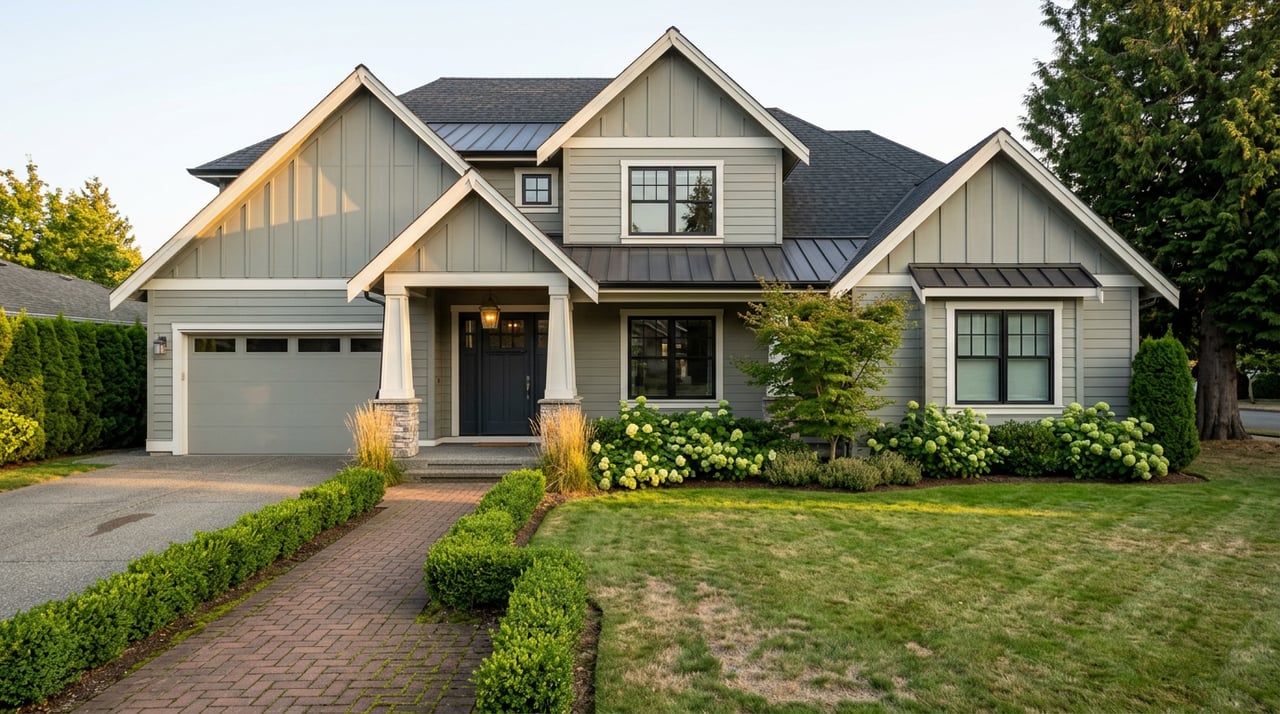
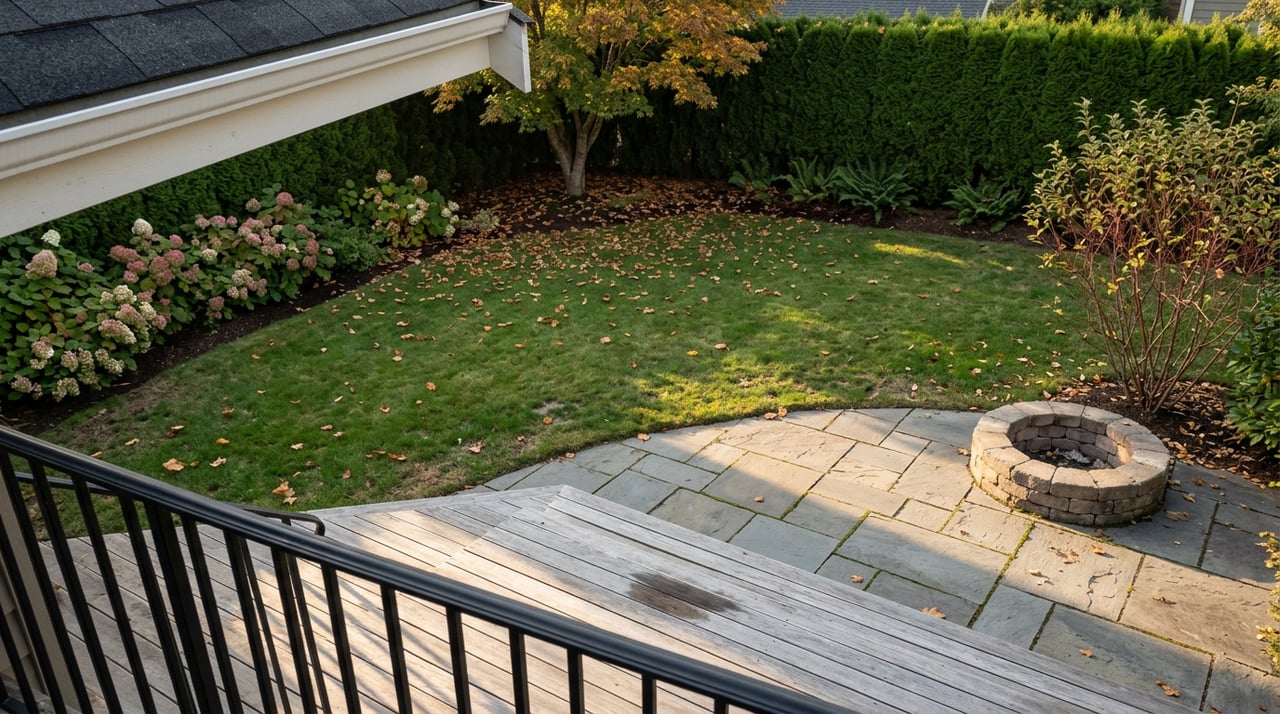
Detached homes usually attract buyers who want more privacy and more control over the property. With no shared walls, you often get a quieter feel and a stronger sense of separation. You may also have more flexibility with yard use, storage, and outdoor living.
For many buyers, that extra space changes daily life in meaningful ways. A larger yard, more distance from neighbors, and fewer shared elements can make a detached home feel easier to personalize over time. If you want a more traditional neighborhood setting, single-family homes often line up with that goal.
Privacy is one of the biggest reasons buyers lean toward detached homes. In many cases, you have fewer direct sightlines into neighboring homes and more room around the structure. That can be especially appealing if outdoor space is high on your list.
In Corvallis, established residential neighborhoods often reflect that lower-density pattern. City neighborhood pages identify zoning such as RS-6, RS-9, RS-12, and RS-20 in areas including Walnut Crest, Birdie, Skyline West, Washington Park, and Avery Addition. Those areas help show where buyers may find more traditional detached-home settings.
Another advantage of single-family ownership is control. You generally decide how and when to handle exterior maintenance, yard work, and repairs. For some buyers, that independence is worth the added responsibility.
Of course, more control also means more to manage. Roofs, siding, landscaping, and other upkeep items typically fall directly on you. If you like the idea of being fully in charge, a detached home can be a strong fit.
Townhomes can be a smart option if you want a more compact footprint and a simpler exterior maintenance routine. In some cases, they also put you closer to downtown, major corridors, or mixed-use areas where denser housing is more common. That can be attractive if you value convenience and a more connected location.
Townhomes also appeal to buyers in transition. If you are downsizing, relocating, or looking for a lower-maintenance lifestyle, an attached home may offer the right balance of space and responsibility. The key is making sure the ownership structure and HOA terms match your expectations.
One of the clearest tradeoffs with townhome living is maintenance. Depending on the property, some exterior upkeep may shift from the owner to an association. That can reduce the hands-on work you handle yourself, but it often comes with HOA dues.
The important question is not just whether there is an HOA. It is what the HOA actually covers, how well it is funded, and whether reserve planning is in place for major repairs. In Oregon, planned communities and condominium associations have reserve-related requirements, so buyers should look closely at the documents and finances before moving forward.
In Corvallis, townhomes are more likely to appear where the city supports denser housing forms. The city’s planning framework focuses mixed-use and higher-density development in downtown, major commercial centers, major corridors, and neighborhood-center areas. Corvallis also has 11 mixed-use zoning designations covering about 593 acres, or nearly 8% of zoned land.
That does not mean townhomes appear only in those areas. Corvallis also says middle housing types, including townhomes, can be built in residential zones throughout the city. Still, if you want a townhome, parcel-specific zoning checks are a smart first step.
Many buyers start with purchase price, but monthly ownership cost often tells the fuller story. With a detached home, you may not pay HOA dues, but you may spend more on exterior upkeep, landscaping, and larger repair items over time. With a townhome, some of those responsibilities may shift to the association, but the dues become part of your monthly budget.
That is why two homes with similar prices can feel very different after closing. Your real comparison should include mortgage payment, property taxes, insurance, dues if applicable, and expected maintenance. In Corvallis, where market pricing remains meaningful, that side-by-side cost view can help you avoid surprises.
Parking can be another major difference between these property types. Detached homes often offer more straightforward parking through driveways and garages, though each property is different. Townhomes, especially in more central areas, may have tighter parking arrangements or more reliance on on-street parking.
This matters in Corvallis because the city manages residential parking demand in certain areas. Residential parking districts are designed to reduce overflow from nearby businesses, universities, and stadiums. In District C, for example, long-stay street parking is restricted by permit, and downtown includes time-limited and metered parking along with some permit-based long-term options.
Downtown Corvallis is described by the city as a dense mixed district with businesses, offices, hotels, and residences. For some buyers, that setting is a real advantage. You may enjoy a more compact environment and proximity to services and commercial areas.
The tradeoff is that parking may require more planning. If you are considering a townhome in or near downtown, make sure you understand the property’s assigned parking, guest parking, garage setup, and nearby street parking rules. Day-to-day convenience often depends on those details.
If you want a detached home, established residential neighborhoods are often a practical starting point. Areas with RS-6, RS-9, RS-12, and RS-20 zoning patterns tend to reflect a more conventional neighborhood layout. In Corvallis, examples include Walnut Crest, Birdie, Skyline West, Washington Park, and Avery Addition.
If you want a townhome, your search may lean more toward mixed-use or middle-housing-compatible areas. The city says CMU-3 governs downtown, CMU-2 is generally along major corridors and large intersections, and CMU-1 is generally along minor corridors and smaller intersections. RMU-12 and RMU-20 also support residential mixed-use patterns.
One of the biggest mistakes buyers make is assuming a property type based on appearance or location alone. In Corvallis, middle housing rules and mixed-use designations make the zoning picture more nuanced. A parcel-by-parcel review is often the best way to confirm what is allowed and what already exists nearby.
The city’s property lookup and zoning tools can help you check zoning and middle-housing allowances by address. That local step is especially useful if you are targeting townhomes or trying to understand how a specific area may evolve over time.
If you are considering a townhome or any HOA-governed property, due diligence is essential. You are not just buying the home itself. You are also stepping into a set of rules, financial obligations, and shared maintenance arrangements.
Before you make an offer, review the key documents carefully. In Oregon, useful items include the declaration or CC&Rs, bylaws, rules, reserve study or reserve account information, maintenance plan, financial statements, and other documents that bind owners.
Oregon law also requires associations to retain records, and owners can examine those records. For condominium projects, annual reports are filed with the Oregon Real Estate Agency. Those details can give you a better sense of how well the community is run.
If privacy, yard space, and direct control matter most to you, a detached single-family home will often be the stronger fit. If you want a more compact home, a potentially more central location, and some shift in exterior upkeep, a townhome may make more sense. Neither option is automatically better. The right choice depends on how you want to live in Corvallis.
This is where experienced local guidance can make a real difference. With more than 30 years of Corvallis-area experience, Debbie Brand helps buyers compare neighborhoods, property types, and practical ownership costs with a clear local lens. If you are weighing single-family versus townhome living in Corvallis, Debbie Brand can help you sort through the details and move forward with confidence.
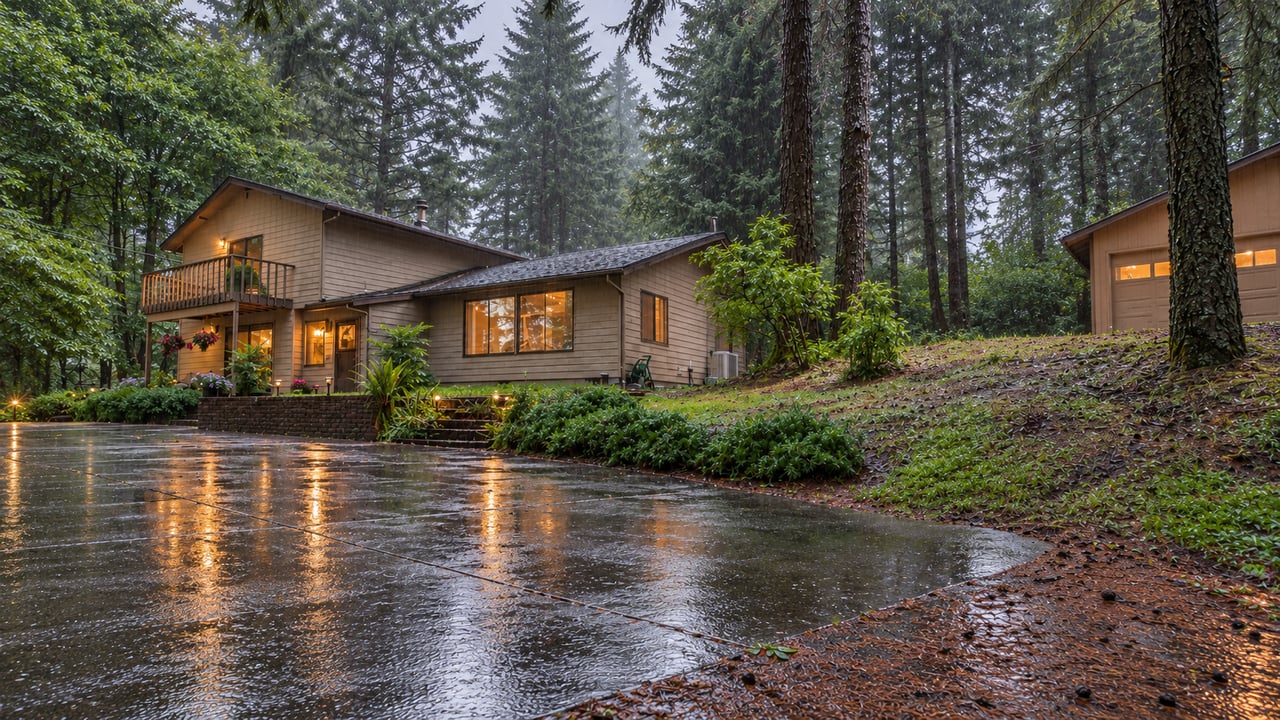
What buyers in Corvallis, Philomath, Albany, and Lebanon should know about drainage, crawl spaces, roofs, and seasonal moisture.

Get assistance in determining current property value, crafting a competitive offer, writing and negotiating a contract, and much more. Contact me today.