Albany Oregon Historic Homes: What Buyers Need to Know
June 11, 2026
June 11, 2026
Thinking about buying a historic home in Albany, Oregon? It can be an exciting way to own a piece of local history, but it also comes with questions you may not face in a newer home. If you are considering a historic property in South Albany or the greater Albany area, this guide will help you understand what to look for, what rules may apply, and how to approach inspections with confidence. Let’s dive in.
Albany stands out for its unusually dense collection of historic buildings. According to the City of Albany, the historic core spans about 100 square blocks, with buildings dating from the 1850s through the 1940s.
For buyers, that means you are not just looking at a few scattered old homes. You are shopping in a city with a deep and varied historic housing stock, especially in the Monteith, Hackleman, and Downtown Commercial districts.
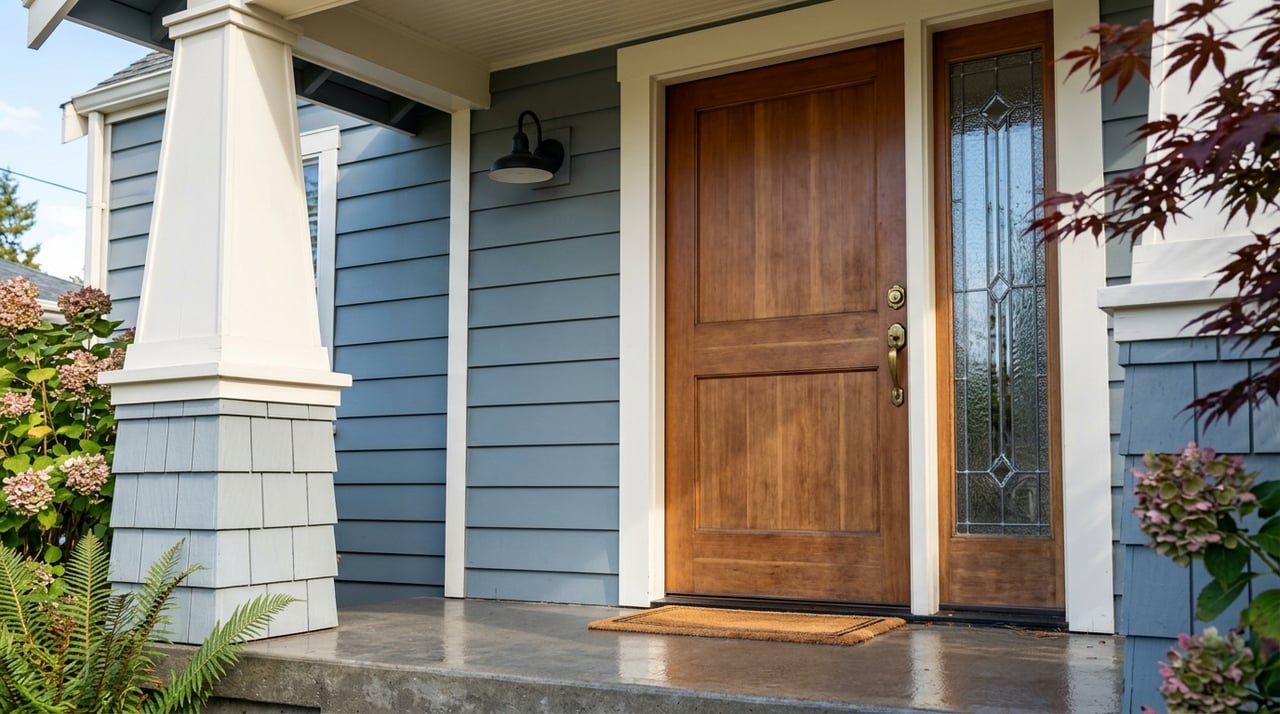
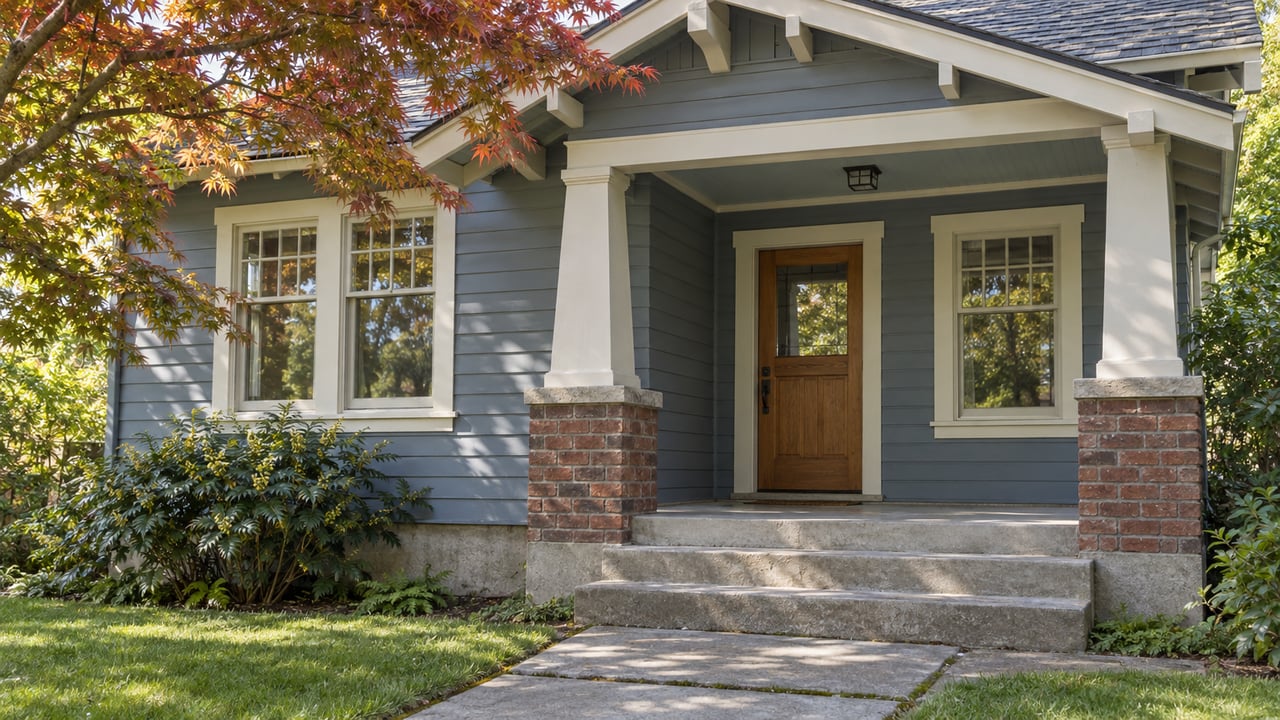
Albany is also known for architectural variety. You may find everything from Italianate and Queen Anne homes to Bungalows, American Foursquares, Craftsman houses, Rural Vernacular homes, and smaller cottages from the Depression and World War II eras.
One of the most important first steps is to learn whether a home is considered historic contributing, historic non-contributing, or non-contributing. That distinction can affect what exterior changes may be reviewed by the city.
The City of Albany maintains a searchable historic inventory by address. Planning staff can also help with survey photos, style notes, city directories dating back to 1878, Sanborn maps, and historic photos that may help confirm a home’s age and original features.
This matters because a house can feel historic without having the same review status as another property on the next block. Before you fall in love with a renovation idea, it is smart to confirm exactly how the property is classified.
Albany’s older homes are not all Victorian, and that is part of their appeal. Different styles bring different floor plans, rooflines, details, and maintenance needs.
Here are a few character features you may notice as you tour homes:
If you are drawn to historic charm, it helps to know what features define the home’s style. Original exterior details may play a major role in future repair or replacement decisions.
A common concern is whether buying a historic home means you cannot make changes. The answer is more balanced than many buyers expect.
A National Register listing by itself does not automatically impose federal restrictions on a private homeowner. However, Albany’s local ordinance does require review for certain exterior alterations, additions, demolition, and new construction in historic districts and on landmark-inventory properties.
The good news is that not every project goes through historic review. The city says interior work is exempt, and so are exterior painting, general repair and maintenance, same-material replacements, composition-shingle to composition-shingle roof replacement, and landscaping.
That said, once a project moves beyond basic maintenance, the city generally prefers repair over replacement. When replacement is necessary, materials are expected to match the original in composition, design, and texture.
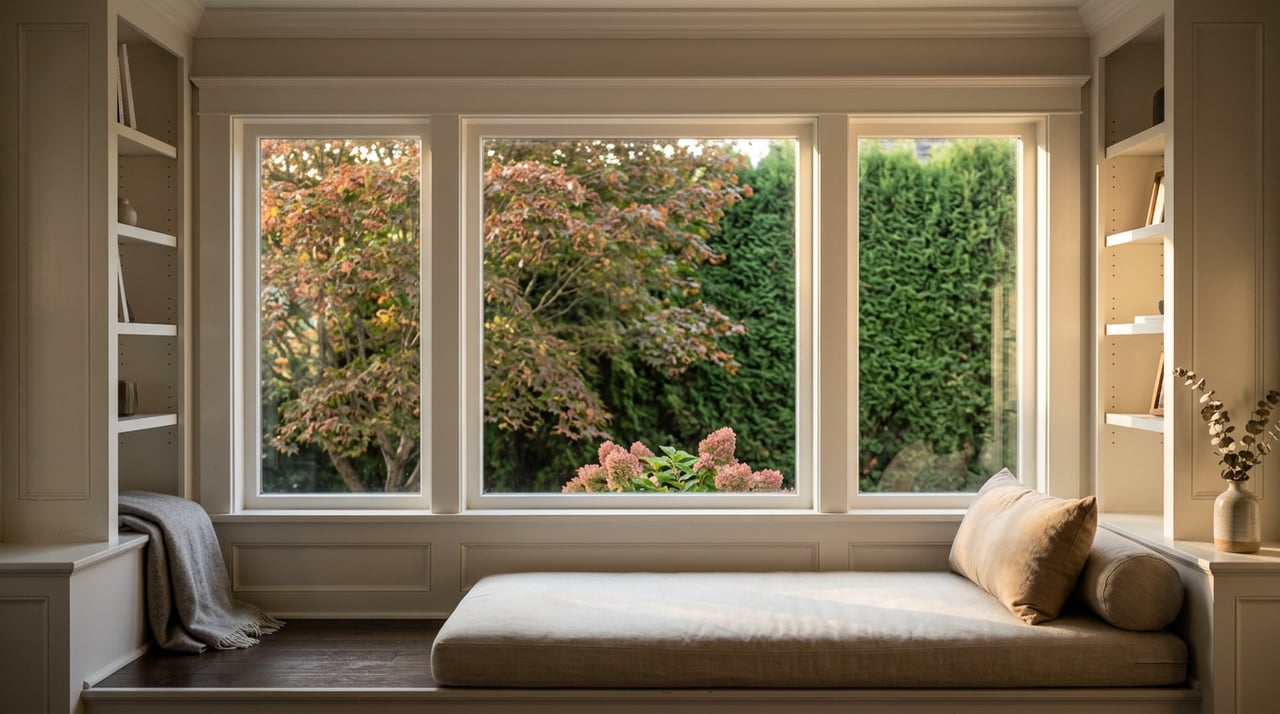
If you are buying a historic home in Albany, windows deserve special focus early in your due diligence. The city considers window style and opening pattern some of the most important features in defining a building’s character and age.
Albany requires historic windows to be repaired first when possible. If replacement cannot be avoided, substitute materials must closely match the original size, proportion, placement, and appearance, and the proposal may need staff or Landmarks Commission review.
For you as a buyer, that means old windows are not just a cosmetic issue. They can affect your budget, your renovation timeline, and the options available if you want to improve energy performance or address deferred maintenance.
With an older home, a standard inspection is only the beginning. A helpful way to think about due diligence is to break it into three buckets: general inspection, age-related hazard testing, and historic-review questions.
In Oregon, a home inspector who inspects more than one structural component must be certified by the Construction Contractors Board. Buyers can verify active certification and CCB licensing before hiring an inspector.
Oregon’s inspection categories include:
For a historic Albany home, this gives you a strong starting point for understanding the major systems. It should not be your only step if the house is significantly older.
Homes built before 1978 are more likely to contain lead-based paint, and homes built before 1940 are especially likely to have it. Renovation work that disturbs lead paint can create hazardous dust.
Homes built before 1986 are also more likely to have lead pipes, fixtures, and solder. In most pre-1978 transactions, buyers should expect lead-based-paint disclosure paperwork.
Asbestos may also be present in older insulation, roofing shingles, ceiling tiles, floor tiles, adhesives, and other materials. If material is damaged or may be disturbed during remodeling, EPA guidance recommends sampling by a properly trained asbestos professional.
The third bucket is understanding what you can change on the exterior and what review may be required. This is especially important if you are buying with plans to add on, replace windows, alter siding, or make visible exterior updates.
Getting clarity early can help you avoid surprises after closing. It can also shape how you prioritize projects and set a realistic renovation budget.
Historic homes often reward careful buyers. As you evaluate a property, consider asking:
These questions can help you connect the home’s charm to the practical realities of ownership. They also help you compare one historic property to another in a more informed way.
Buying a historic home in Albany can offer architectural character that is hard to replicate in newer construction. Original details, mature streetscapes, and a strong sense of place are often part of the appeal.
At the same time, historic ownership may require more careful planning. Exterior projects can involve review, replacement materials may need to closely match original features, and certain components like windows may require a preservation-first approach.
That does not make historic homes harder to love. It simply means the smartest buyers go in with clear expectations, the right professionals, and a realistic plan for maintenance and updates.
If you are relocating, downsizing, or simply trying to decide whether an older home is the right fit, local guidance matters. With decades of experience serving Albany and the surrounding Willamette Valley, Debbie Brand brings the kind of steady, hands-on support that can make a more complex home search feel manageable.
Whether you need help evaluating property potential, coordinating the right due diligence, or comparing historic homes with newer options, Debbie Brand can help you move forward with confidence.

Get assistance in determining current property value, crafting a competitive offer, writing and negotiating a contract, and much more. Contact me today.