Sell Your Lebanon OR Home in Today’s Market
July 2, 2026
July 2, 2026
Selling your home in Lebanon right now can feel like a balancing act. Buyers are still active, but they are also price-sensitive and quick to compare options online. If you want a strong result, you need more than a yard sign and hope. You need a smart plan for pricing, presentation, timing, and paperwork. Let’s dive in.
Lebanon is active, but it is not moving at a frenzied pace. Recent market snapshots show a median sale price in the high $300,000s, with homes taking anywhere from 18 days to pending to about 44 to 62 days on market, depending on the source and how the data is measured.
That range tells you something important. A home that is priced well and presented well can move quickly, while a home that misses the mark may sit longer. Redfin also reports a 99.2% sale-to-list ratio and that 30.6% of listings took price drops, which suggests buyers are paying close attention to value.
Mortgage rates matter here too. Freddie Mac reported a 30-year fixed rate of 6.49% on June 25, 2026, which keeps many buyers focused on affordability. In practical terms, that means your pricing and condition can have a direct impact on how much interest you get in the first week.
One of the biggest mistakes sellers make is pricing for the market they wish they had. In Lebanon, current data points to a market where careful pricing often works better than testing an overly ambitious number.
Some homes do sell above list price. Redfin says 36.3% of homes sold above list. But that does not mean every home should be priced high from the start. With a meaningful share of listings taking price reductions, overpricing can cost you momentum when your home first goes live.
A strong pricing strategy should reflect your home’s condition, location within Lebanon, lot size, updates, and nearby comparable sales. Buyers today have a lot of information at their fingertips, so a price that feels out of step can reduce showings and online saves early on.
You do not need a full remodel to make your home more marketable. Current consumer guidance supports a simpler, more practical approach: clean, declutter, repair visible issues, and make the home feel photo-ready.
That usually means focusing on basics like:
These steps matter because they help buyers focus on the space itself. When a home feels clean, open, and well cared for, it becomes easier for buyers to picture how they would use it.
Not every room has the same impact. According to NAR’s 2025 staging data, the living room, primary bedroom, and kitchen are the spaces buyers care about most.
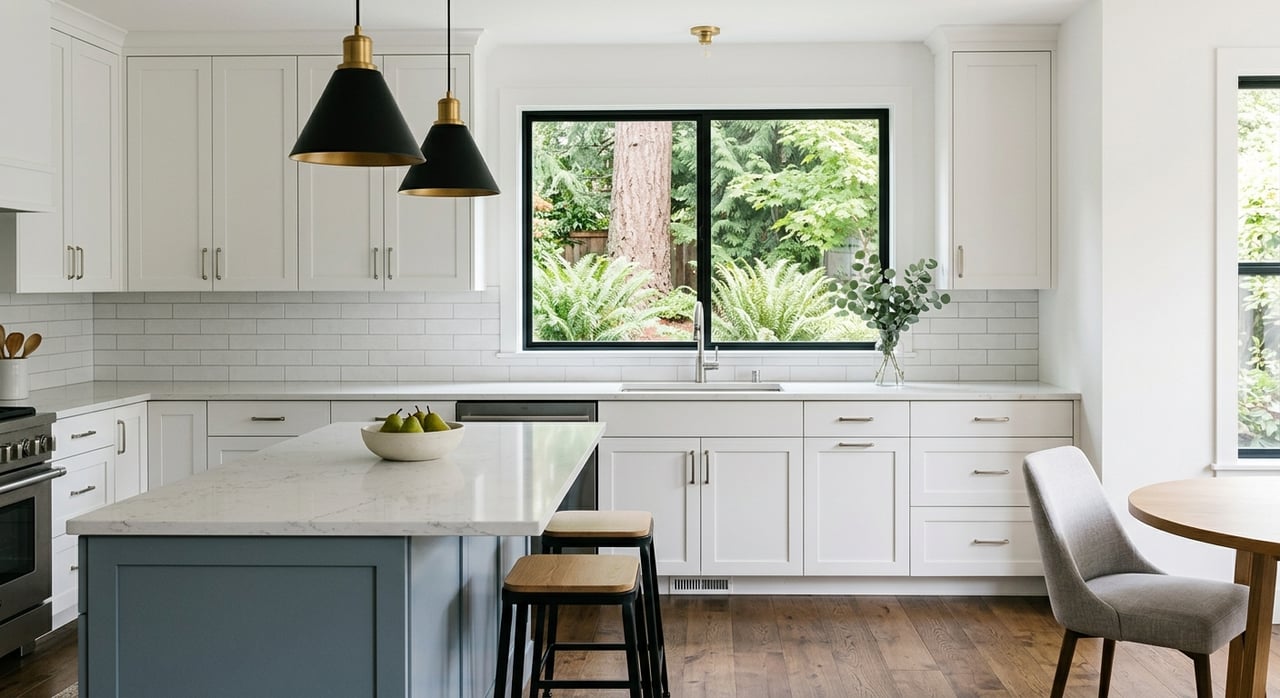
If you are deciding where to spend time or money before listing, start there. Straighten surfaces, reduce visual clutter, improve lighting, and make sure each room has a clear purpose. A clean kitchen, a calm primary bedroom, and a comfortable living area often do more for buyer perception than expensive projects with limited visual payoff.
Staging can help, too. NAR found that 83% of buyers’ agents said staging made it easier for buyers to visualize a property as a future home, and staged homes may see a 1% to 5% increase in the dollar value offered or a slightly shorter time on market.
Most buyers will see your home online before they ever step inside. That means your digital presentation is not optional. It is central to your sale.
NAR reports that 81% of buyers rated listing photos as the most useful feature in their online search, and 52% of buyers found the home they purchased online. If your photos are dark, limited, or poorly ordered, you may lose interest before a showing is even scheduled.
A stronger listing package often includes:
This is especially valuable if you want to reach out-of-area buyers or buyers with tight schedules. Virtual tours and floor plans can help them decide faster whether your home fits their needs.
The first few days on the market matter more than many sellers realize. Early views, saves, and shares can help your listing gain traction with buyers who are watching for new inventory.
That is why a launch plan should feel coordinated, not rushed. A polished home, complete media package, competitive price, and broad exposure through the MLS can create stronger early interest than listing before the home is truly ready.
Consumer guidance also notes that an open house the weekend after your home hits the market may help maximize exposure. In a market like Lebanon, where buyers are active but selective, creating early demand can be more effective than waiting for a bidding war that may never develop.
Because Lebanon is not an anything-goes market, buyers often compare condition, layout, and monthly payment very carefully. That means details matter.
If two homes are similarly priced, buyers may choose the one that looks brighter online, feels cleaner in person, or has fewer obvious repair issues. In that kind of environment, small improvements can help protect your price and reduce the chance of a later price drop.
This is also where experienced guidance matters. NAR’s 2025 Profile of Home Buyers and Sellers found that sellers most valued help marketing the home, pricing it competitively, and selling within a specific timeframe. Those priorities match what many Lebanon sellers need right now.
Selling a home in Oregon includes more than marketing and showings. There are also specific process and disclosure requirements that sellers should expect.
The Oregon Real Estate Agency says a broker representing a seller in a residential transaction must have a written listing agreement before offering the property for sale. Sellers should also expect agency disclosure steps at the beginning of the relationship.
Oregon law also requires a seller’s property disclosure statement to be delivered to each buyer who makes a written offer. The disclosure is based on your actual knowledge of the property. If the seller completes Section 2 of the form, the form states that the buyer has five days from delivery to revoke the offer unless that right is waived in writing.
Some Lebanon-area properties may have added disclosure or testing steps. If your home was built before 1978, federal lead-based paint disclosure rules may apply.
That generally means disclosing any known lead-based paint information before the sale, providing the required lead pamphlet, and allowing the buyer a 10-day period to conduct a lead inspection or risk assessment.
If your property has a domestic well, Oregon has additional rules. The Oregon Health Authority says the seller must test the water for arsenic, nitrate, and total coliform bacteria through an accredited lab, send the results to the buyer, and submit the required reporting to OHA within 90 days. Those test results are valid for one year.
For acreage or rural sellers, these requirements are important to address early. Handling them ahead of time can help avoid delays once you receive an offer.
No two sellers in Lebanon have exactly the same goals. You may be moving up, downsizing, relocating, or selling a long-time family property. Your timeline, property type, and comfort level with prep work should shape the plan.
For example, a newer in-town home may need light staging and strong digital marketing. A rural property may need extra attention to land features, outbuildings, wells, or layout explanations in the marketing package. A downsizing seller may need more time and hands-on coordination before the home is ready to launch.
That is why a one-size-fits-all listing plan often falls short. The best results usually come from a strategy tailored to your home, your timing, and the buyers most likely to respond.
If you are thinking about selling your Lebanon home, the right guidance can make the process feel much more manageable. For a personal market consultation and a thoughtful plan built around your goals, contact Debbie Brand.


Get assistance in determining current property value, crafting a competitive offer, writing and negotiating a contract, and much more. Contact me today.