Corvallis Aging in Place or Downsizing Options
July 16, 2026
July 16, 2026
Wondering whether your next move in Corvallis should be no move at all? If you are weighing aging in place against downsizing, you are not alone. Many local homeowners reach a point where the question is less about what they want today and more about what will work well for the next two years or the next ten. This guide will help you compare both paths, understand what support exists in Corvallis, and make a plan that fits your life. Let’s dive in.
Corvallis is a practical place to have this conversation because many households are already thinking about long-term housing needs. Census estimates show that 14.2% of Corvallis residents are age 65 and older, and Benton County is older still at 19.1%. That means questions about mobility, maintenance, transportation, and future care are part of everyday housing decisions here.
The local housing market also shapes your options. Corvallis reports a 2024 median family income of $108,000 and a median single-family home sale price of $550,000. At the same time, the city notes historically low single-family production and stronger demand for multifamily housing than state averages.
That combination matters if you are planning a last move. In Corvallis, downsizing does not always mean finding another small detached house around the corner. It may mean looking at a duplex, townhome-style property, condo-style living, cottage cluster housing, or senior housing.
Aging in place can be a strong option if your home still supports your daily routine and can be adapted as needs change. For many people, the biggest benefits are familiarity, comfort, and staying connected to the routines and neighbors they already know. If your location works well and the house only needs modest updates, staying put may be the simpler path.
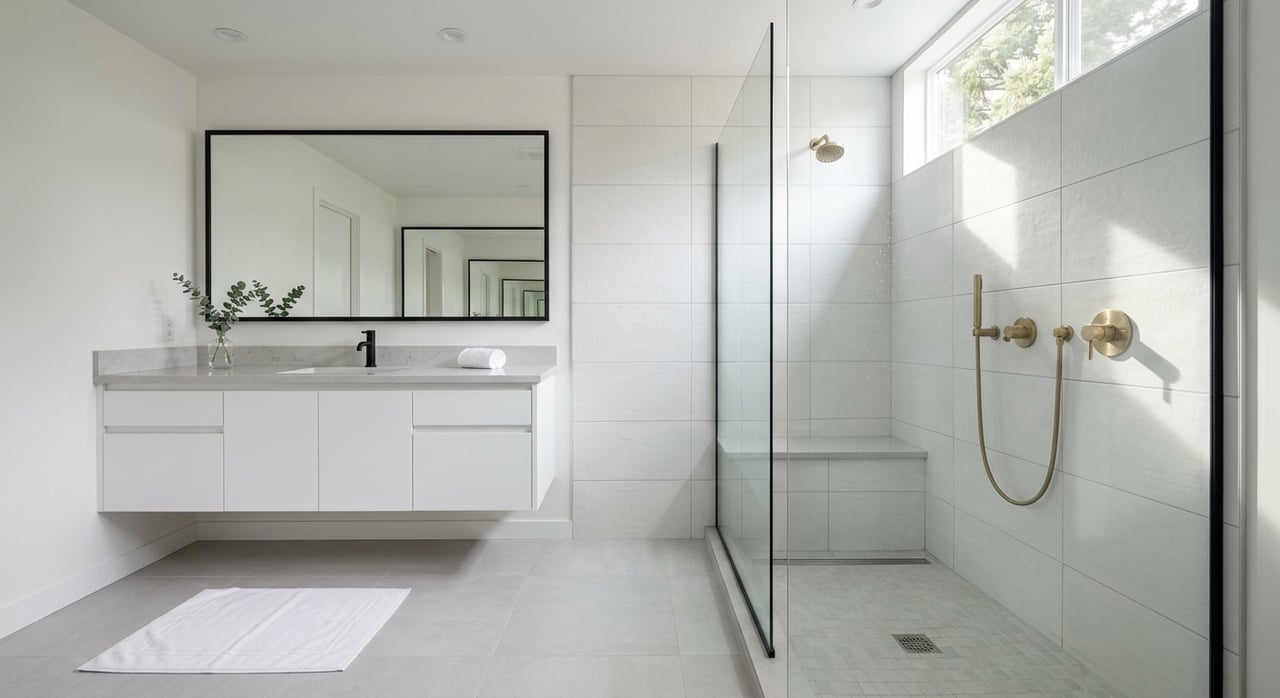
The key question is whether your home can remain safe and manageable. Stairs, narrow bathrooms, uneven walkways, high-maintenance yards, and frequent repairs can all become bigger issues over time. A house that feels fine now may still need changes if you are planning ahead for the next decade.
The CDC points to several practical steps that can reduce fall risk at home. These include reviewing medications, improving balance and leg strength, checking vision, removing trip hazards, adding grab bars, improving lighting, and installing railings where needed. That matters because broken hips are among the most serious fall injuries, and many people do not return to living independently after a hip fracture.
Your home may be a good fit for aging in place if:
If most of those are true, staying put may be worth a closer look.
One advantage of staying in Corvallis is that local support systems can make independent living more realistic. Transportation is a big part of that picture. The Corvallis Transit System is fareless, all buses have ramps or lifts, and free travel training is available.
If fixed-route transit is not a fit, ADA paratransit through BAT Lift offers curb-to-curb rides for people who cannot use regular bus service because of disability. That can be a meaningful option if driving is becoming harder or if you want to reduce how often you rely on a car.
The Corvallis Community Center is another valuable local resource. It offers free or low-cost services that include legal aid for eligible seniors, SHIBA Medicare counseling, tech help, and senior social and support groups. For many households, that kind of support helps make staying in the community feel more practical and less isolating.
Regional Senior and Disability Services through OCWCOG serves Benton County and can help connect you with home-based supports and care planning. Available connections may include OPI-M home-based supports, adult day services, assistive technology, home modifications, caregiver support, and facility-based care options. If you are trying to stay home longer, knowing these options early can make planning much easier.
The City of Corvallis also has a home repair loan program for low-income homeowners. According to the city, it can cover deferred repairs such as plumbing, electrical, foundation work, roofing and gutters, windows, weatherization, and other structural work. The city says the program is not currently accepting preliminary assessments or applications, but it is still useful to know this type of support exists.
Sometimes the smartest way to stay independent is to move before the current home becomes too hard to manage. Downsizing can reduce upkeep, simplify your budget, improve access, and place you closer to services or transportation. It can also free up equity, which may support retirement goals or future care needs.
In Corvallis, downsizing options are broader than many people expect. Based on the city’s housing mix and 2025 permit snapshot, your choices may include a smaller detached home, a duplex or townhome-style property, condo-style multifamily living, a cottage cluster home, or a senior housing community. In 2025, the city reported 473 units under construction, including 151 senior housing units, 302 apartment or mixed-use units, and 20 single-family homes.
That data points to an important takeaway. If you want less maintenance and easier living, you may have more success by expanding your idea of what the right next home looks like. In Corvallis, the best downsizing move may not be a traditional resale house.
It may be time to consider moving if:
If several of these feel familiar, downsizing may offer more control and less stress than waiting.
A simple side-by-side comparison can help you think more clearly about your next step.
| Option | Best fit when | Main advantages | Main challenges |
|---|---|---|---|
| Aging in place | Your home is mostly workable with updates | Familiar setting, no move, may preserve routines | Modifications, maintenance, long-term safety concerns |
| Smaller detached home | You still want a house with less space | More privacy, potentially simpler layout | Limited supply in Corvallis |
| Duplex, townhome, or condo-style home | You want less upkeep and a smaller footprint | Lower maintenance, often easier living | Different layout or ownership structure |
| Senior housing community | You want housing built around later-life needs | Purpose-built setting, may match changing needs | Availability, cost, and timing |
| Assisted living or higher-support setting | Support needs are increasing | Care services and more daily support | Bigger lifestyle transition |
If your housing choice is also tied to growing care needs, it helps to understand the basic categories available through regional long-term care planning. OCWCOG describes adult foster homes as small, home-like settings. Assisted living and residential care facilities provide housing plus care services, while nursing facilities provide 24-hour skilled care.
You do not need to have every answer today. But if support needs are rising, these categories can give you a clearer framework for family conversations. They can also help you decide whether modifying your current home still makes sense or whether a move would create a better long-term fit.
For some Oregon homeowners, the state’s senior and disabled property tax deferral program may affect the decision to stay or move. The 2026 booklet says applicants must be age 62 or older or disabled, must own and live in the home, generally must have done so for five years, and must have 2025 household income at or below $70,000 and net worth below $500,000.
The program allows qualified homeowners to defer property taxes, but the taxes are repaid later with 6% annual interest, and the state places a lien on the property during the program. That means it can help cash flow, but it is not the same as forgiveness.
There is also an important downsizing detail. The booklet says a homeowner who has not met the five-year requirement may still qualify after downsizing if the old home was already in deferral, the new home has a lower real market value, and the move happens within one year. If this may apply to you, it is worth factoring into your planning timeline.
Before you choose aging in place or downsizing in Corvallis, ask yourself a few honest questions:
Those answers often reveal the right direction. In many cases, the best decision is the one that gives you more flexibility before a future need becomes urgent.
This kind of move is rarely just about square footage. It is about timing, lifestyle, comfort, and making a confident decision with good local information. With more than 30 years of experience in the Corvallis area and senior-focused transition expertise, Debbie Brand helps buyers and sellers think through options with a calm, practical approach.
Whether you are exploring updates to stay put, wondering what downsizing paths exist in Corvallis, or preparing to sell a longtime home, guidance matters. A thoughtful plan can help you move at your pace, protect your equity, and choose the option that fits your next chapter.
If you want help comparing your options in Corvallis, Debbie Brand can provide a personal market consultation tailored to your goals.
How to prioritize maintenance, evaluate upgrades, and prepare your Corvallis home for the market.

What buyers in Corvallis, Philomath, Albany, and Lebanon should know about drainage, crawl spaces, roofs, and seasonal moisture.

Get assistance in determining current property value, crafting a competitive offer, writing and negotiating a contract, and much more. Contact me today.