Selling a Corvallis Home With an Old Underground Oil Tank
October 1, 2026
October 1, 2026
A seller in Corvallis's College Hill West Historic District pulls out a folder while getting the house ready to list. Inside is a decommissioning letter for an old heating oil tank, dated a couple of decades ago and completed by a licensed contractor.
At first glance, it seems like one less thing to worry about. The tank was handled years before the current seller owned the house, and there is paperwork documenting the work.
But older tank records may still leave questions. Was the tank fully decommissioned or simply emptied? Was the project registered with the Oregon Department of Environmental Quality (DEQ)? Does the paperwork clearly identify the tank and the work that was completed?
For sellers of older Corvallis homes, sorting out those details before listing is easier than trying to reconstruct the property's history during a buyer's inspection period.
Corvallis has more than 700 Designated Historic Resources, many concentrated in the Avery-Helm Historic District, College Hill West Historic District, and Oregon State University Historic District. More than 100 additional resources are individually designated elsewhere in the city.
Corvallis established its historic preservation program in 1982 and has participated in the federal Certified Local Government program since 1992.
College Hill West includes many homes built during the first half of the 20th century, including homes from the 1920s and 1930s.
In Corvallis and the Willamette Valley, underground heating oil tanks were most commonly installed from the 1930s through the 1960s. As natural gas and electric heating became more widely available in the late 1960s and 1970s, new residential oil tank installations declined. For buyers considering an older home in Corvallis, particularly one built before 1980, the property's age and heating history may warrant further investigation for a buried heating oil tank.
Historic designation does not change Oregon's heating oil tank rules. The connection is the age and history of these homes. A house may have gone through several heating systems, renovations, and owners, with property records passed along over decades.
An old fill pipe, vent pipe, contractor receipt, or decommissioning letter may be part of that history.
A decommissioning letter documents work completed on a heating oil tank.
The Oregon Department of Environmental Quality describes decommissioning as taking a tank out of service by cleaning it and then either removing it or filling it in place with an inert material. The process includes soil sampling and documentation.
A tank that was only emptied is different. Removing the oil does not mean the tank was fully decommissioned.
A receipt showing that oil was removed, a contractor report, and or a DEQ decommissioning letter do not document the same thing.
An older DEQ decommissioning letter also does not automatically expire after 90 days.
DEQ's 90-day rule applies to certain soil testing situations. Soil samples taken while an active tank remains in the ground generally should not be relied upon for more than 90 days because another release could occur. DEQ also will not accept soil assessment data more than 90 days old when it is being used to certify a new decommissioning or cleanup.
That does not mean a properly completed decommissioning from years ago becomes invalid simply because the paperwork is old.
The Oregon Department of Environmental Quality says the state's Seller's Property Disclosure Statement asks sellers, based on their actual knowledge, whether there are tanks or underground storage tanks on the property. It also asks whether any portion of the property has been tested or treated for fuel or chemical storage tanks or contaminated soil or water.
Oregon law sets a deadline related to a buyer's receipt of the disclosure statement.
Once an abandoned tank has been emptied, DEQ describes full decommissioning as voluntary. A buyer or lender may still request testing, additional documentation, or decommissioning as part of the sale.
DEQ's online heating oil tank records are not a complete history of every older project. Clean decommissioning registration began in March 2000, and some earlier information may exist only in physical files.
If a seller searches an address and finds nothing online, that does not prove a tank was never decommissioned.
Old paperwork may also be incomplete. A seller might have a receipt without a DEQ letter, documentation showing that a tank was emptied but not decommissioned, or records that do not clearly identify where the tank was located.
These questions are easier to sort through before the house is under contract.
If your Corvallis home once used oil heat, review the property records before listing.
Look for:
If the paperwork is unclear, a DEQ-licensed heating oil tank service provider can review what was completed and determine whether further investigation is needed.
For a broader look at preparing an older property before it reaches the market, this guide to getting your home inspected before selling covers other issues that are often easier to address before a buyer's inspection.
The current property owner is responsible for cleanup, even if the leak happened before they purchased the home.
Buyers should understand this too. DEQ states that someone who purchases a property knowing a heating oil tank is present, but does not determine whether it has leaked, becomes responsible if a leak is discovered later.
Finding a tank does not mean it has leaked. Soil testing determines whether contamination is present.
DEQ estimates that hiring someone to search for an underground tank typically costs about $100 to $200. Soil testing beneath a tank may cost approximately $200 to $300. Decommissioning and cleanup costs vary depending on the tank, access to the site, and whether contamination is found.
During a home sale, additional testing or corrections may still delay the transaction.
Finding an old oil tank letter in a property file is better than having no history at all. Take a few minutes to understand exactly what it documents.
Does it show that the tank was emptied or fully decommissioned? Does it identify the property and tank clearly? Is there a DEQ record? Are there signs that another tank existed?
For an older Corvallis home, answering those questions before listing helps make the disclosure and inspection process easier for everyone involved.
If soil testing confirms a heating oil tank leak, the current property owner may be responsible for the required cleanup. During escrow, the discovery may affect the closing timeline while the cleanup requirements are addressed and the buyer and seller determine how to proceed with the transaction.
Usually, no. Standard modern homeowners policies typically exclude gradual pollution and underground environmental cleanup costs. Some specialty oil heat insurance policies have existed, but standard residential insurance rarely covers historical contamination from a buried tank. This is why testing and clear documentation before purchase are so important for buyers.
Not necessarily. Oregon does not automatically require a heating oil tank to be decommissioned before a home is sold, but lenders may have their own requirements. Depending on the property, loan program, and available tank records, a lender may request additional documentation, testing, or decommissioning before approving the loan. Buyers and sellers should confirm the lender's requirements early when an underground tank is known to be present.
If you're preparing an older Corvallis property for sale and aren't sure which records to gather, feel free to reach out. I'm happy to help with the real estate side of preparing the property and identify questions that should go to a licensed contractor, Oregon DEQ, or an attorney.
Disclaimer: This post is for general information only, not legal or environmental advice. Heating oil tank rules vary by property. Consult Oregon DEQ, a licensed tank contractor, or an attorney for specific advice.
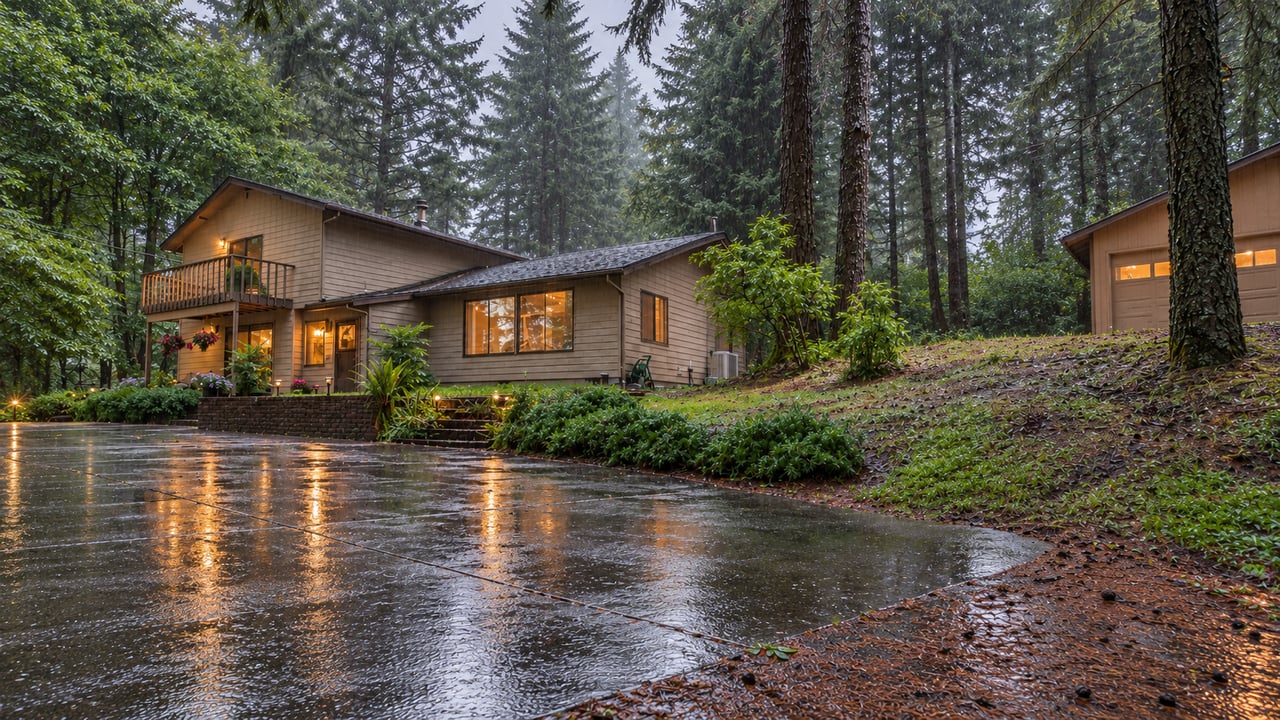
What buyers in Corvallis, Philomath, Albany, and Lebanon should know about drainage, crawl spaces, roofs, and seasonal moisture.



Get assistance in determining current property value, crafting a competitive offer, writing and negotiating a contract, and much more. Contact me today.