Buying a Home in Oregon’s Rainy Season: Mid-Willamette Valley Guide
Debbie Brand October 19, 2026
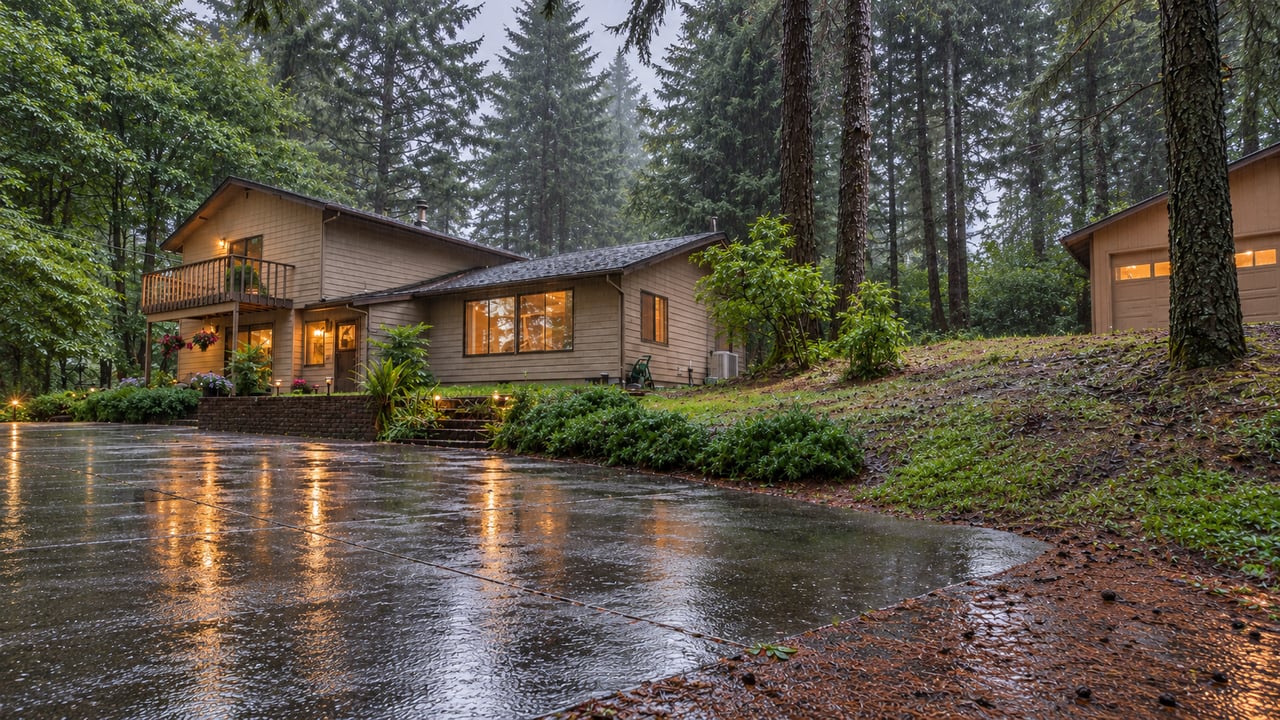
Debbie Brand October 19, 2026
If you're considering a move to Oregon's Mid-Willamette Valley, you'll soon discover how much the seasons shape daily life. Summers are generally warm and dry, while fall and winter bring extended periods of rain. For buyers relocating to Corvallis, Philomath, Albany, Lebanon, or the surrounding countryside, understanding how a home manages seasonal moisture is an important part of the purchasing process.
A home surrounded by mature trees in Corvallis may have different maintenance considerations than a hillside property outside Philomath or a rural home with a long gravel driveway in Linn County. Each deserves a closer look at how rainwater moves around the home and across the land.
When buying a home in western Oregon, pay particular attention to drainage, crawl spaces, roofing, gutters, exterior siding, and signs of previous water intrusion.
These observations don't necessarily indicate that something is wrong. They can help you identify useful questions for the seller and areas that deserve professional evaluation.
One of the first things worth noticing during a showing is where rainwater goes after it leaves the roof. Gutters and downspouts should direct water away from the structure, but the discharge location matters. A downspout ending immediately beside the foundation, for example, is worth asking about.
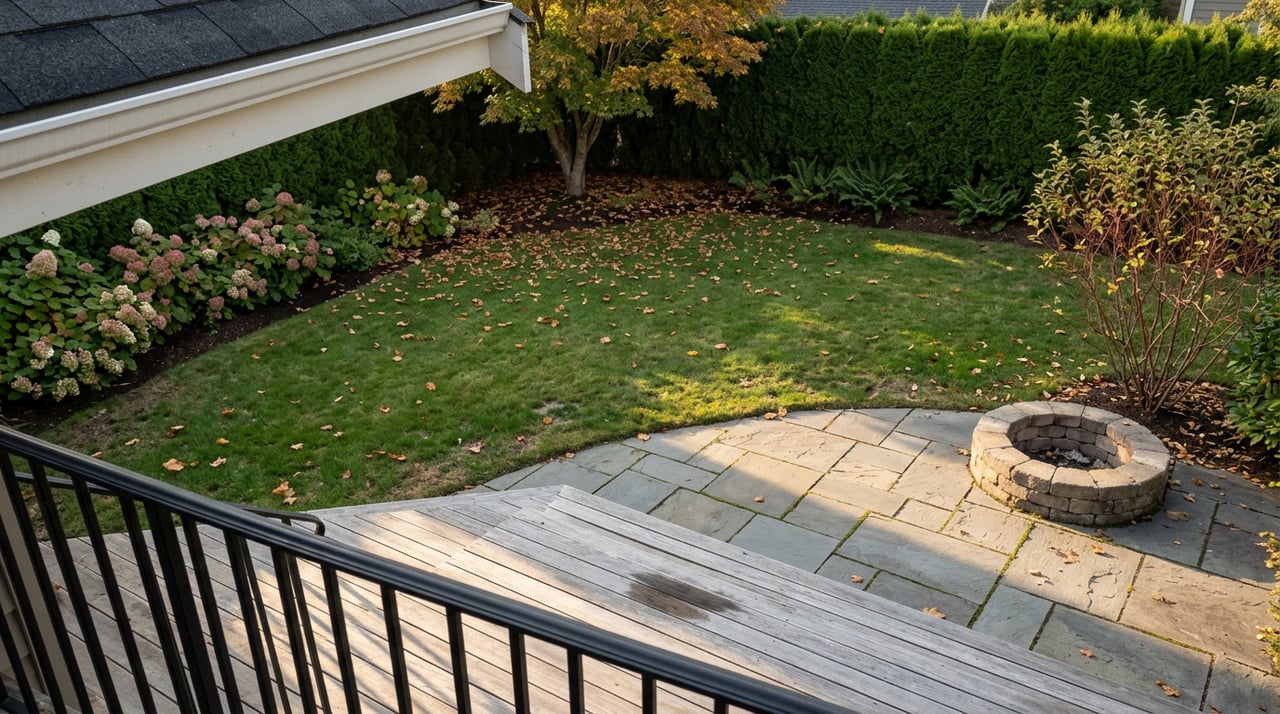
The slope of the land also deserves attention. On a level residential lot, you may be looking for low areas where water collects. On a hillside property, the question may be how runoff from higher ground is managed before it reaches the home.
The presence of a drainage system doesn't necessarily mean there has been a problem, nor does it guarantee that the system is functioning properly. Ask where the water discharges and whether maintenance or repair records are available. Water repeatedly collecting against the foundation or entering a crawl space deserves closer investigation.
Many homes in the Mid-Willamette Valley have crawl spaces beneath their living areas. For buyers relocating from places where concrete slab foundations are more common, this may be an unfamiliar part of the home. Because crawl spaces are generally out of sight, their condition may not be apparent during a showing.
Not every moisture observation indicates a serious problem. What matters is understanding the source, whether the condition is ongoing, and whether any materials have been affected. A qualified home inspector can evaluate accessible areas and recommend further evaluation when needed.
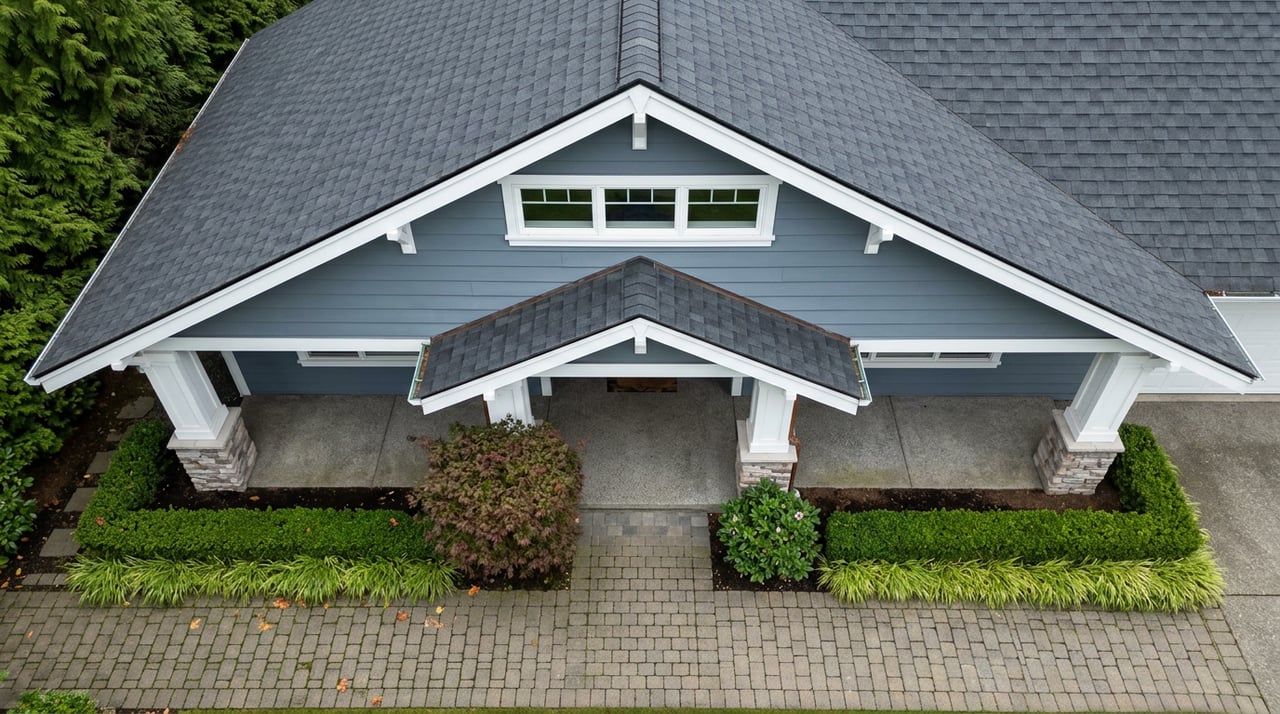
The exterior of a home plays an important role in managing seasonal rain. Roof materials, gutters, siding, and window connections all deserve attention, particularly where water or debris may accumulate.
Mature Douglas firs, oaks, and other trees contribute to the character of many Willamette Valley properties. They can also deposit leaves and needles in gutters and roof valleys. On shaded roof sections, moss may be another maintenance consideration.
During a showing, notice visible roof debris, gutter condition, and signs of staining beneath roof edges. Ask about the roof's age, maintenance history, and any previous leaks. A professional evaluation should consider the roof's condition and installation, not simply how old it is.
Pay particular attention to areas where siding meets decks, patios, steps, and the surrounding ground. Peeling paint, damaged wood trim, or staining near these connections may indicate maintenance needs or moisture exposure.
It's also worth noticing whether soil, mulch, or landscaping is in direct contact with exterior materials. Appropriate clearance depends on the siding system and construction details, so an inspector can help determine whether the existing conditions are suitable.
Window trim and exterior door openings are other places where previous moisture exposure may become visible. Look for damaged sealant, staining around interior trim, or fogging between panes of insulated glass.
If repairs have been completed, ask what caused the original problem and whether records are available. Understanding the cause is often more useful than knowing only that the visible damage was repaired.
For buyers considering acreage near Philomath, Lebanon, or rural Corvallis, rainy-season considerations extend beyond the home itself. Driveways, access roads, culverts, and outbuildings may all require maintenance.
A long gravel driveway, for example, may need proper grading and drainage to reduce erosion. On sloped land, it's worth understanding how runoff moves around retaining walls, detached shops, barns, and other structures.
These details aren't necessarily reasons to avoid a rural property. They are part of understanding the responsibilities that come with owning land in the Willamette Valley.
For a closer look at other considerations, this guide to buying acreage homes in the Willamette Valley covers additional questions relevant to rural buyers.
Buyers moving from drier climates may be unfamiliar with condensation on windows during Oregon's cooler months. Condensation occurs when moisture in indoor air meets a sufficiently cold surface. An occasional occurrence doesn't necessarily mean there is a leak.
Persistent condensation accompanied by staining, damaged trim, or musty odors deserves closer attention. Bathrooms, kitchens, and laundry areas are useful places to ask about ventilation, particularly whether exhaust fans discharge outdoors.
Also notice water stains around skylights, on ceilings, or beneath upstairs bathrooms. These may reflect previous repairs or conditions that still require attention.
Visiting a property during rainfall can offer another perspective on how the home and landscape function. You may notice gutters overflowing at a corner, water collecting at the bottom of a driveway, or runoff moving across a sloped yard.
A showing after several consecutive rainy days can be particularly informative because some drainage conditions take time to become visible. Still, a puddle alone doesn't establish that a property has a defect, and a rainy-day visit isn't a substitute for an inspection.
If you're relocating from another state and viewing homes during the dry season, ask about previous water intrusion, drainage improvements, and available maintenance records. A professional inspection remains important regardless of the weather.
Ask whether the roof, windows, foundation, or crawl space have experienced water intrusion, what caused the problem, and whether repairs were completed with documentation available for review.
Previous moisture problems don't necessarily mean a home should be avoided. Understanding the cause, the repairs made, and whether the issue has returned can help buyers decide if additional evaluation is needed.
Buying during Oregon's rainy season can reveal drainage and moisture conditions that are less visible in summer, but a professional inspection remains important regardless of when you purchase a home.
A showing after several days of rain may offer additional insight into gutters, surface drainage, and low areas of the property. Buyers relocating during summer can still review seller disclosures, maintenance records, and inspection findings.
Buyers considering homes near rivers, streams, or low-lying areas should review available flood hazard information and understand potential insurance requirements before purchasing, even when no flooding is visible.
Flood exposure is different from ordinary rainwater drainage. The property's location, applicable flood maps, and insurance guidance can help clarify potential risks and ownership costs.
Moving to a new area involves learning more than neighborhoods and home prices. It also means understanding how homes function throughout the seasons and what ongoing care may involve.
A shaded property in Corvallis, a hillside home outside Philomath, and rural acreage near Lebanon can each offer a different living experience. The setting, drainage, construction, and maintenance history all contribute to understanding whether a property is a good fit.
If you're comparing communities, this relocation guide to Corvallis and Albany may help you become more familiar with the area.
If you're considering a move to Corvallis, Albany, Philomath, Lebanon, or the surrounding Willamette Valley, I'm happy to answer questions about local homes and what to consider during your search.
What buyers in Corvallis, Philomath, Albany, and Lebanon should know about drainage, crawl spaces, roofs, and seasonal moisture.


Get assistance in determining current property value, crafting a competitive offer, writing and negotiating a contract, and much more. Contact me today.