Downtown Albany Oregon Events Still Happening This Month
August 20, 2026
August 20, 2026
As The Democrat-Herald reported, construction is underway at a First Avenue storefront in Downtown Albany—a change you notice when you actually walk the block. Camille's Bistro occupied the space before it closed. Now Bodhi, the local restaurant and bakery group with roots in Albany and Corvallis, is preparing to give the address another life.
That change says something interesting about Downtown Albany. A restaurant closing does not automatically mean a downtown is declining. Here, familiar spaces are being reused by local operators who already have connections to the Mid-Willamette Valley food scene.
For people who live in Albany, that distinction matters. Downtown is not standing still, but it is not starting over every time a storefront changes hands, either.
Bodhi is expanding into the former Camille's Bistro space at 210 First Avenue in Albany.
The Bodhi Group, led by chef Cody Utzman, already operates restaurants and bakery concepts in the area. Utzman's connection to Albany also predates Bodhi. His earlier local restaurant and food businesses were part of the city's dining scene before the Bodhi name expanded into Corvallis and other locations.
That makes this less like an unfamiliar business arriving in an empty storefront and more like a local restaurant operator returning to a prominent Downtown Albany address in a new form.
For a compact downtown, reuse matters. Restaurants bring people onto the sidewalk at different times of day, and a storefront that remains part of the local dining circuit can continue contributing to the rhythm of the surrounding blocks.
Not necessarily. One restaurant closing tells you what happened to one business. Understanding the health of a downtown requires looking at the larger mix of restaurants, shops, events, markets, and reasons people continue to spend time there.
Downtown Albany still has restaurants that have become familiar parts of the district. Sybaris Bistro has been on First Avenue since 2001. The Squeaky Cork, Sweet Red Bistro, and Vault 244 add to the concentration of independent dining within a few walkable blocks.
Nearby, Calapooia Brewing and Deluxe Brewing host recurring events that give people reasons to stay in the area beyond a single meal.
The more interesting story, then, is not simply which restaurant closed. It is what happens to the space afterward.
When an established local operator is willing to invest in a former restaurant location, it shows that the address still has a role to play in Downtown Albany.
Restaurants are only one part of the picture.
August brings a mix of recurring and special events that draw people into Downtown Albany and nearby gathering places. Downtown's First Friday took place August 7. The Albany Scottish Festival & Highland Games followed August 15 and 16 at Timber Linn Memorial Park.
Another familiar part of Albany summers is River Rhythms, the free weekly concert series at Monteith Riverpark. This year's concerts have wrapped up, but throughout the summer they bring people downtown for evenings of live music along the Willamette River.
On Saturday mornings, the Albany Farmers' Market and Albany Artisan Faire Market bring vendors and shoppers downtown, adding another regular rhythm to the weekend.
These events do different things for the community. A farmers' market creates a regular Saturday routine. First Friday encourages people to spend an evening downtown. A larger festival can bring residents and visitors together for an entire weekend.
That variety is part of what makes a downtown useful to the people who live around it. It is not dependent on a single restaurant, festival, or attraction.
August isn't finished yet. Several events and recurring activities remain on the calendar:
Albany Farmers' Market and Albany Artisan Faire Market: Saturdays at Water Avenue and Ferry Street, from 9 a.m. to 1 p.m.
Northwest Art & Air Festival: August 28 through 30 at Timber Linn Memorial Park. Admission is free, with parking fees on Friday and Saturday.
Downtown dining: First Avenue and the surrounding blocks make it easy to combine dinner with a walk through Albany's historic downtown.
The Northwest Art & Air Festival is especially notable because Timber Linn Memorial Park will have hosted two very different major gatherings within the same month. The Scottish Festival & Highland Games filled the park in mid August, followed less than two weeks later by hot air balloons, art vendors, food, music, a car show, and the Art & Air Festival's Friday Night Glow.
It is a good example of how Albany's public spaces serve more than one kind of community gathering.
One storefront cannot tell you whether a downtown is thriving or struggling. What matters is the larger pattern: Are people still opening businesses? Are established businesses staying? Are residents coming downtown for meals, markets, events, and ordinary Saturday mornings?
In Albany, some of the most interesting changes happen at that smaller scale.
A restaurant closes. Another local operator sees a reason to invest in the same space. A Saturday market fills Water Avenue. A familiar park becomes the setting for two completely different festivals within a matter of weeks.
Those details are easy to overlook individually. Together, they show a downtown that continues to change while keeping many of its local connections intact.
For people considering living in Albany or North Albany, that everyday pattern can tell you something a list of attractions cannot. Downtown is a place people use, not simply a historic district to drive through.
For a broader look at the community, Relocation Guide to Corvallis & Albany offers additional context for anyone comparing the two areas.
I've watched Albany and the surrounding Mid-Willamette Valley change over many years, and some of the most revealing changes are the small ones. A new name over a familiar doorway can tell you quite a bit about where a community is going.
If you're curious about living in Albany, North Albany, or another part of the Mid-Willamette Valley, I'm always happy to share what I know.
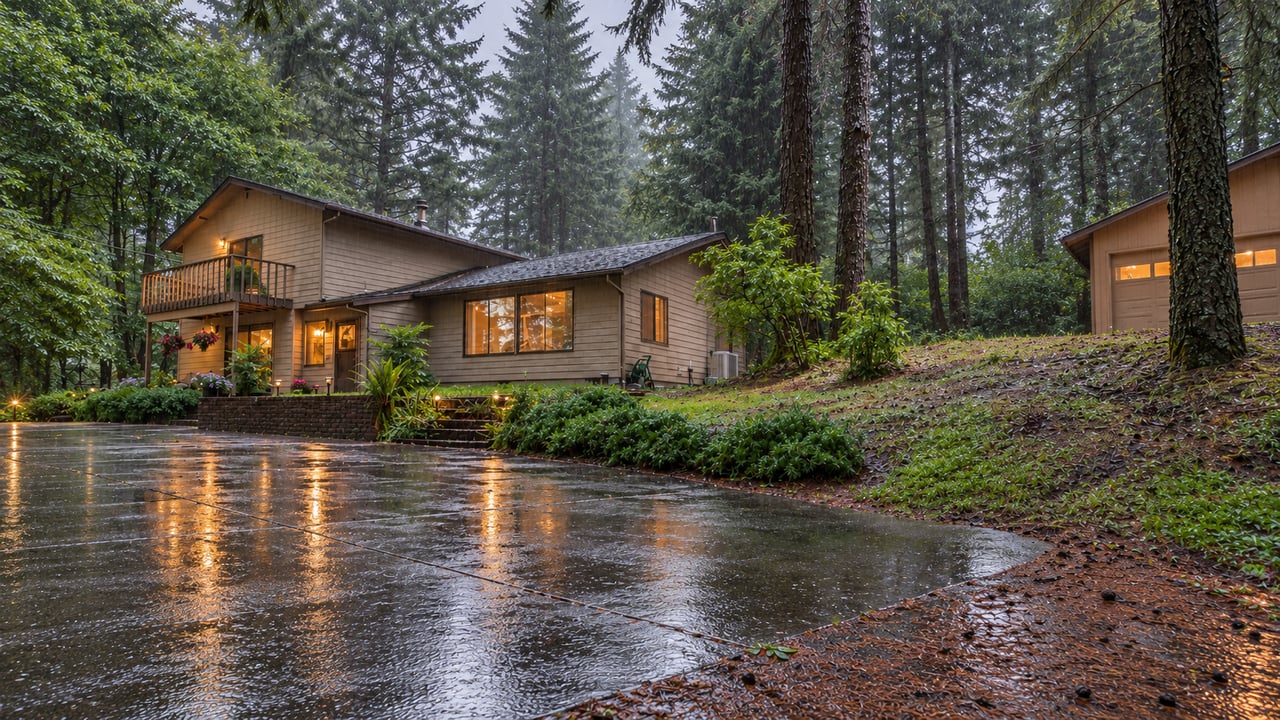
What buyers in Corvallis, Philomath, Albany, and Lebanon should know about drainage, crawl spaces, roofs, and seasonal moisture.
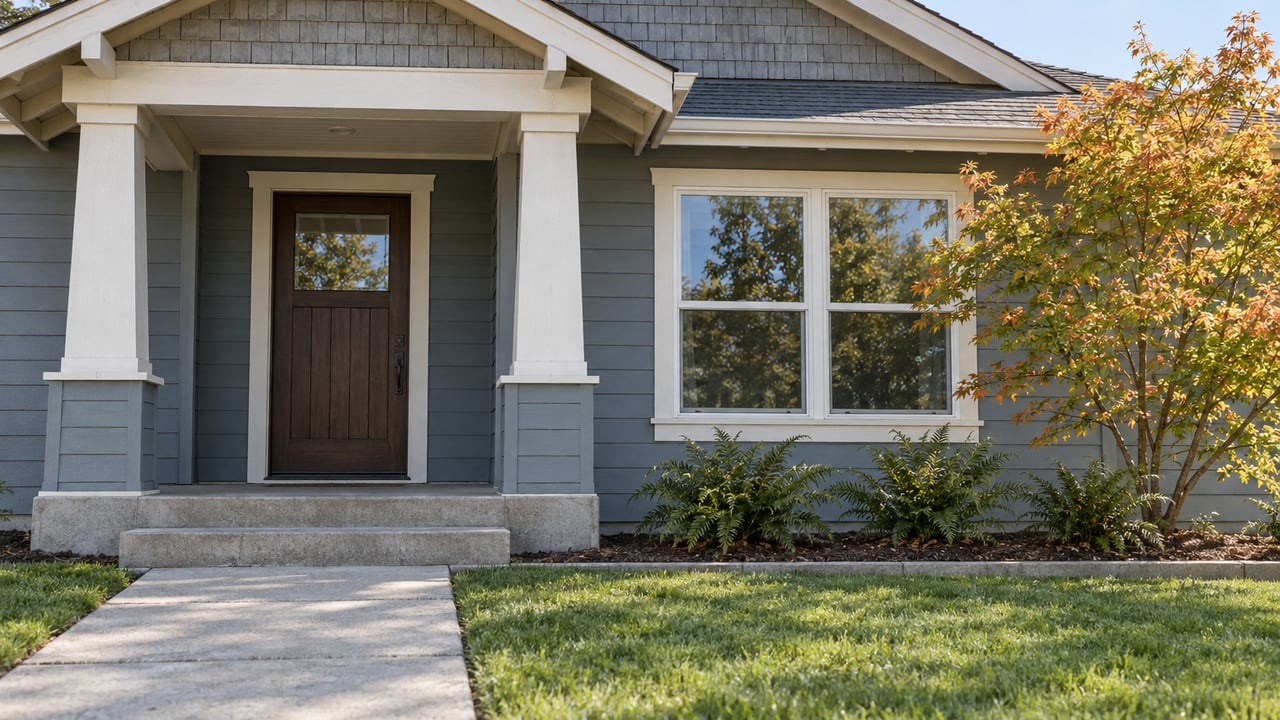
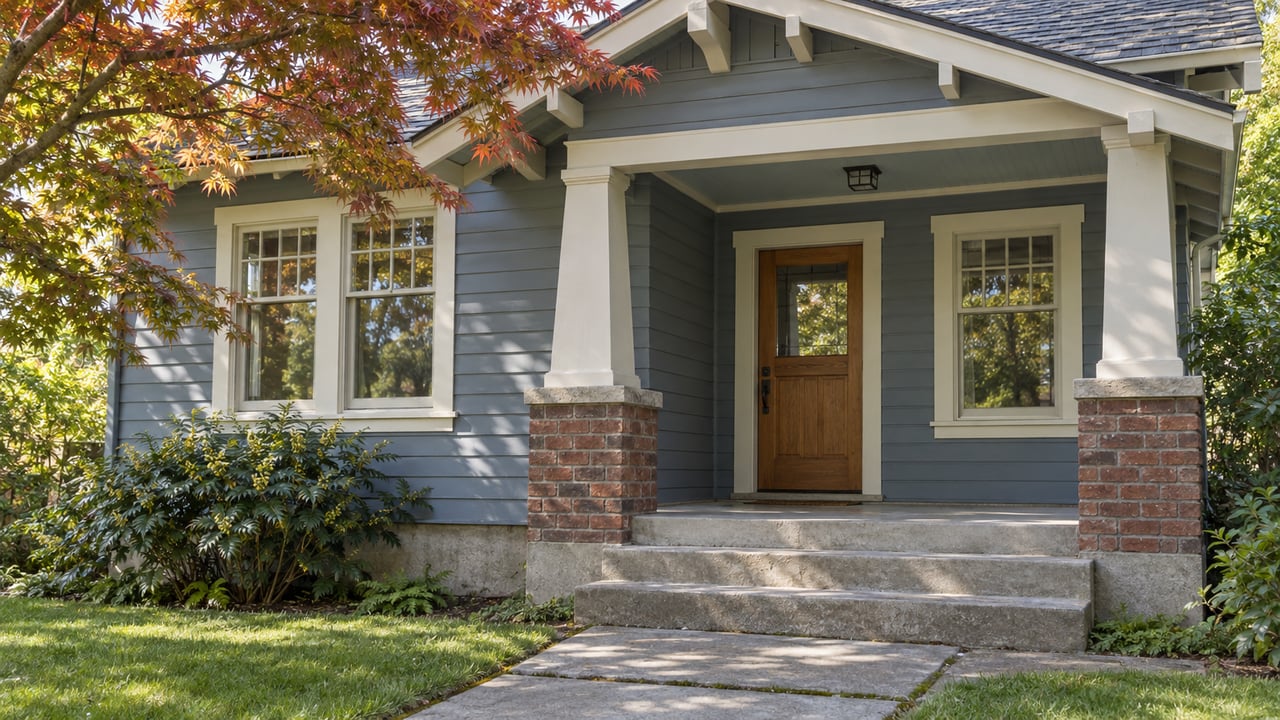

Get assistance in determining current property value, crafting a competitive offer, writing and negotiating a contract, and much more. Contact me today.